
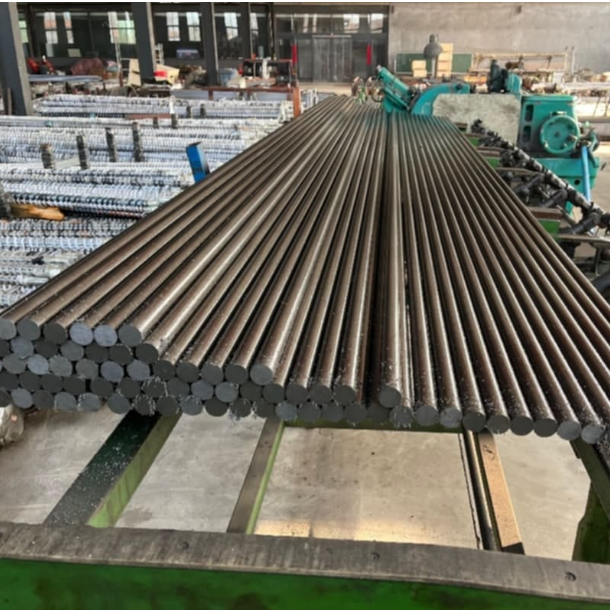
Automation is moving into every part of modern manufacturing. Factories rely on equipment that can repeat the same action thousands of times with little error. This need for accuracy creates strong demand for materials that do not deform, crack, or drift from specification. Precision steel tubes are one of those materials. They may look simple, but their role in automation systems is much larger than most people realize.
Automation equipment depends on controlled movement. Cylinders move in a straight line. Guide rails hold their direction. Mechanical arms rely on tight tolerances to repeat the same path. Any small deviation can affect the whole system. Precision tubes support these movements because they provide accurate dimensions, stable structure, and long service life.
Today’s automation industry cannot operate efficiently without materials that meet strict requirements. Precision tubes help manufacturers build equipment that stays reliable under heavy workload. Companies such as Baokun, which focus on producing seamless and precision steel tubes, play an essential part in this development. Their materials support many automation systems around the world.
The Role of Precision Steel Tubes in Automation Systems
Automation equipment is a combination of mechanical parts, sensors, actuators, and control units. Every component must stay aligned. When a tube becomes slightly oval or its wall thickness changes, the connected parts lose stability. The machine may vibrate. The actuator may stick. The system may lose accuracy.
Precision steel tubes prevent these issues because they maintain the right geometry. They offer tight tolerances in outer diameter, inner diameter, and wall thickness. This stability supports:
- Linear motion units
- Pneumatic and hydraulic actuators
- Transmission shafts
- Robotic arm frames
- Machine guide sleeves
- Structural supports inside automated machines
Each application depends on consistent dimensions. A precision tube makes assembly easier because every piece fits. It also keeps the movement stable because the tube does not deform easily under load.
Why Dimensional Accuracy Matters in Automated Operations
Automation equipment moves many times per minute. The repeated motion puts stress on every part. Even a small dimensional error can create friction or misalignment. Over time, the problem grows. The system may become noisy. The actuator may lose power. The machine may fail to reach the required speed.
Dimensional accuracy prevents these issues. It ensures that moving parts slide smoothly and stay in the right position. A precision steel tube with uniform diameter offers less resistance. It controls vibration. It reduces the chance of sudden wear. As a result, machines with accurate tubes keep their performance for longer periods.
Manufacturers prefer tubes that do not require secondary processing. When the tube arrives with the right tolerance, factories save time. They can put the material directly into production. This is one reason why industrial buyers choose suppliers like Baokun, who focus on precise manufacturing and stable product quality.
Surface Quality and Its Effect on Automation Equipment
Surface condition plays a strong role in automation performance. A rough inner surface increases friction. A rough outer surface can interfere with assembly fit. Automation systems rely on smooth transitions. A precision tube with a clean and controlled surface helps the equipment move with less resistance.
A smooth interior also protects seals, rods, and sliding parts. It reduces the chance of scoring or scratching. This is important for pneumatic cylinders, guide pipes, and structural sleeves. Many automation builders prefer seamless tubes because they are free from weld lines. Weld lines can weaken the structure. They can also create an uneven surface that disrupts motion.
When the tube surface is stable, the equipment runs with less heat. It also reduces wear on connected components. This extends the life of both the tube and the machine. Automation systems become more reliable because the working environment inside the machine stays stable.
Material Strength and Its Influence on Mechanical Stability
Automation equipment must handle repetitive force. Some systems move quickly. Others carry constant loads. Precision steel tubes with consistent strength protect the equipment from deformation. They hold their shape even when exposed to bending, pressure, or vibration.
Carbon steel tubes and alloy steel tubes from suppliers like Baokun provide good mechanical stability. They resist fatigue and maintain their structure under continuous stress. The tube does not stretch or bend easily. It keeps the actuator or shaft aligned. This alignment is essential for accurate robotic movement and linear positioning.
Manufacturers use these tubes in automation because they combine strength with precision. The material can support both dynamic and static loads. This makes them suitable for automation frames, cylinder housings, mechanical arms, and conveyor rollers. Each application depends on stable material behavior to avoid equipment failure.
How Precision Tubes Improve Assembly and System Integration
Automation systems include many parts that must fit together. Engineers do not want to spend time adjusting components that should already match in size. Precision tubes reduce assembly effort because they maintain strict tolerances.
When a tube is accurate, connecting parts slide in easily. Fixing points align without extra machining. Welds hold without gaps. The overall structure becomes cleaner. This saves manufacturers time and reduces the risk of assembly errors.
For international buyers, consistency is even more important. They need products that match the same tolerance every time. If each batch behaves differently, the automation builder must make adjustments for every delivery. Suppliers such as Baokun reduce this problem by offering stable quality and predictable performance.
The Demand for Precision Tubes in Robotics
Robotic systems require controlled motion. They rely on lightweight but strong materials that stay straight. Many robotic structures use precision tubes as internal frames or guide channels. A straight and stable tube keeps the arm balanced and reduces bending stress.
Even small alignment errors can affect the robot’s accuracy. A robotic arm programmed to move 500 times per hour needs a stable frame. The precision tube supports the joints and helps the arm maintain repeatability. Industrial robots, cobots, and pick-and-place units all rely on consistent tube geometry.
The future of robotics will demand even tighter tolerances. As automation becomes more advanced, the need for precision steel tubes will continue to grow.
Precision Tubes in Pneumatic and Hydraulic Automation
Many automation systems use pneumatic or hydraulic power. These actuators depend on tubes that can handle pressure without deforming. The inner surface must be smooth. The outer surface must hold seals and mounting brackets.
Precision tubes support these needs. They keep the pressure inside stable. They allow the piston or rod to move without friction. When the tube is uneven, the actuator loses efficiency. It may leak or become unstable. Automation systems that rely on repeated cycles need strong and even materials.
Baokun’s seamless tubes, cylinder tubes, and chrome-related products are used in many hydraulic applications. Their stable quality helps equipment maintain long service life and consistent performance.
Why Automation Builders Prefer Seamless Tubes
Seamless tubes offer several advantages over welded tubes:
- No weld seam
- More uniform structure
- Better strength under load
- More predictable behavior during machining
- Cleaner internal surface
Automation builders choose seamless tubes because they reduce the number of potential weak points. A weld seam can break, corrode, or distort under stress. Seamless tubes solve this problem and provide a clean, stable platform for mechanical movement.
Suppliers like Baokun focus on seamless products because the industry demands reliability. These tubes handle stress better, which is important for automation equipment that moves at high speed.
How Precision Tubes Support Global Manufacturing Trends
Manufacturing is moving toward:
- Faster production cycles
- Smaller equipment footprints
- Higher accuracy
- Predictive maintenance
- Lightweight but strong structures
Precision tubes support all of these trends. Their stability improves machine speed. Their uniform shape reduces vibration. Their strength reduces material consumption. Their smooth surface lowers energy loss during movement.
Automation builders need materials that help them meet global demands. Precision tubes allow factories to increase output without reducing quality.
Conclusion
Modern automation depends on materials that offer stable and predictable performance. Precision steel tubes support this need because they control tolerance, strength, surface quality, and structural stability. They make equipment easier to assemble. They help machinery achieve better accuracy. They reduce maintenance work. They extend machine life.
As automation expands into new industries, the demand for high-quality precision tubes will continue to grow. Suppliers like Baokun play an important role in this progress because their products support the core functions of automated systems.
