As AI commoditises execution, a growing number of founders are asking what actually separates those who build lasting businesses, and the answer is making some uncomfortable.
There is a conversation happening at startup conferences, in MBA lecture halls, and across the more candid corners of the internet: is success in business actually earned, or is it largely a matter of timing and circumstance? The question is uncomfortable precisely because both answers carry consequences. If it is all skill, failure is personal. If it is all luck, striving is pointless. Most founders quietly suspect the truth sits somewhere in the middle. Few have tried to do anything useful with that.
That is changing. The rapid proliferation of AI tools has had a paradoxical effect on the startup ecosystem. Barriers to execution have never been lower; a solo founder can now do in days what once required a team. But the same tools are available to everyone, which means execution is no longer a differentiator. What remains hard to replicate is judgment: the ability to make good decisions under uncertainty, build trust quickly, and recognise which opportunities are worth chasing.
Hacking the Conditions for Fortune
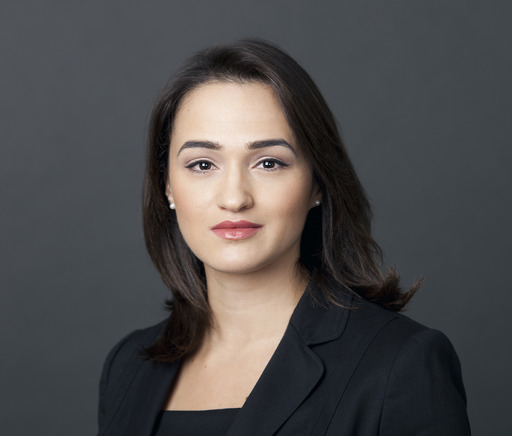
Into this space steps a more honest framework, one that acknowledges the role of timing, networks, and chance, while insisting that founders can position themselves more intelligently in relation to these forces. Stephanie Melodia, a British entrepreneur and founder of London marketing agency Bloom, has spent years developing what she calls ‘Hacking Luck’: a framework examining how external factors shape entrepreneurial outcomes and, crucially, how founders can make themselves more available to fortunate circumstances rather than simply waiting for them.
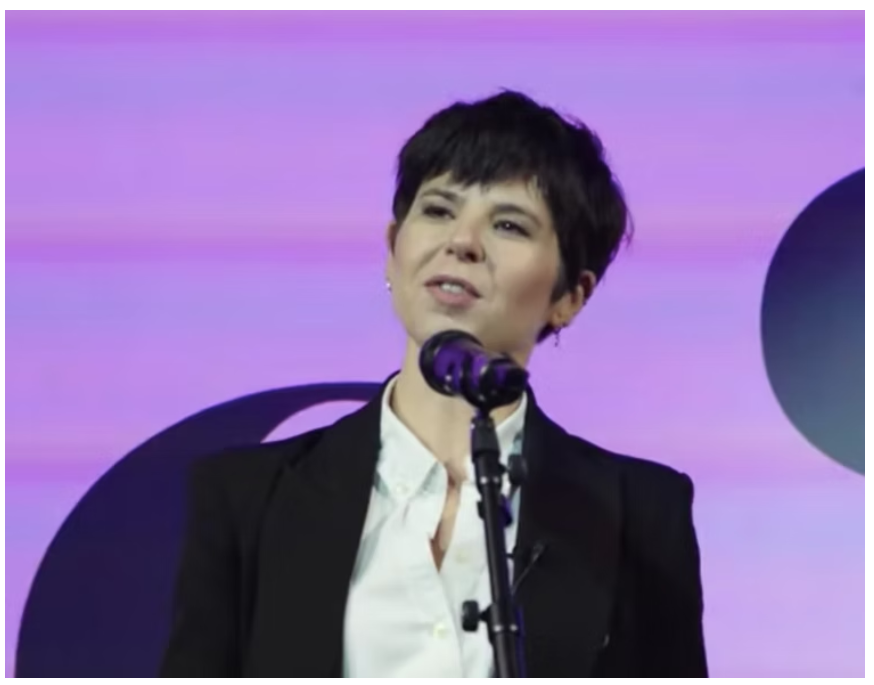
Melodia, who hosts the Strategy & Tragedy podcast and advises MBA students through education provider Oneday, developed the concept from close observation of a hundred startups through The Bloom 100, an internal review of her consultancy’s client companies. The framework draws on decision-making, risk tolerance, and resilience as practical levers, not abstract virtues. Melodia has presented at a number of conferences, including the Web Summit in Lisbon, Collision in Toronto, and Women in Tech in Stockholm, and has been featured in Forbes and named among the UK’s top influential female founders by Startups Magazine.
The ideas are not new; research in psychology has long found consistent behavioural differences between people who describe themselves as lucky and those who do not, including openness to new experience, a tendency to act on chance opportunities, and a resilience that reframes setbacks constructively. What is new is the urgency. When execution was hard, hustle was the differentiator. Now that execution is easy, these harder-to-name qualities, presence, adaptability, and the courage to appear uncertain, are the real edge.
What the Ecosystem Needs
The risk with any luck framework is that it becomes conference wallpaper: generating applause and dissolving by the time attendees reach the car park. The more interesting question is whether these ideas can be operationalised. The founders navigating the current climate best are not those who have surrendered agency to fate. They are those who think clearly about the conditions under which their skills have the best chance of flourishing, who to be in rooms with, which risks are worth taking, and how to build the kind of trust that outlasts volatility.
The luck debate is not going away. As AI continues to compress the advantages once gained through execution alone, founders who understand this earliest may find, in the end, that they have made their own.