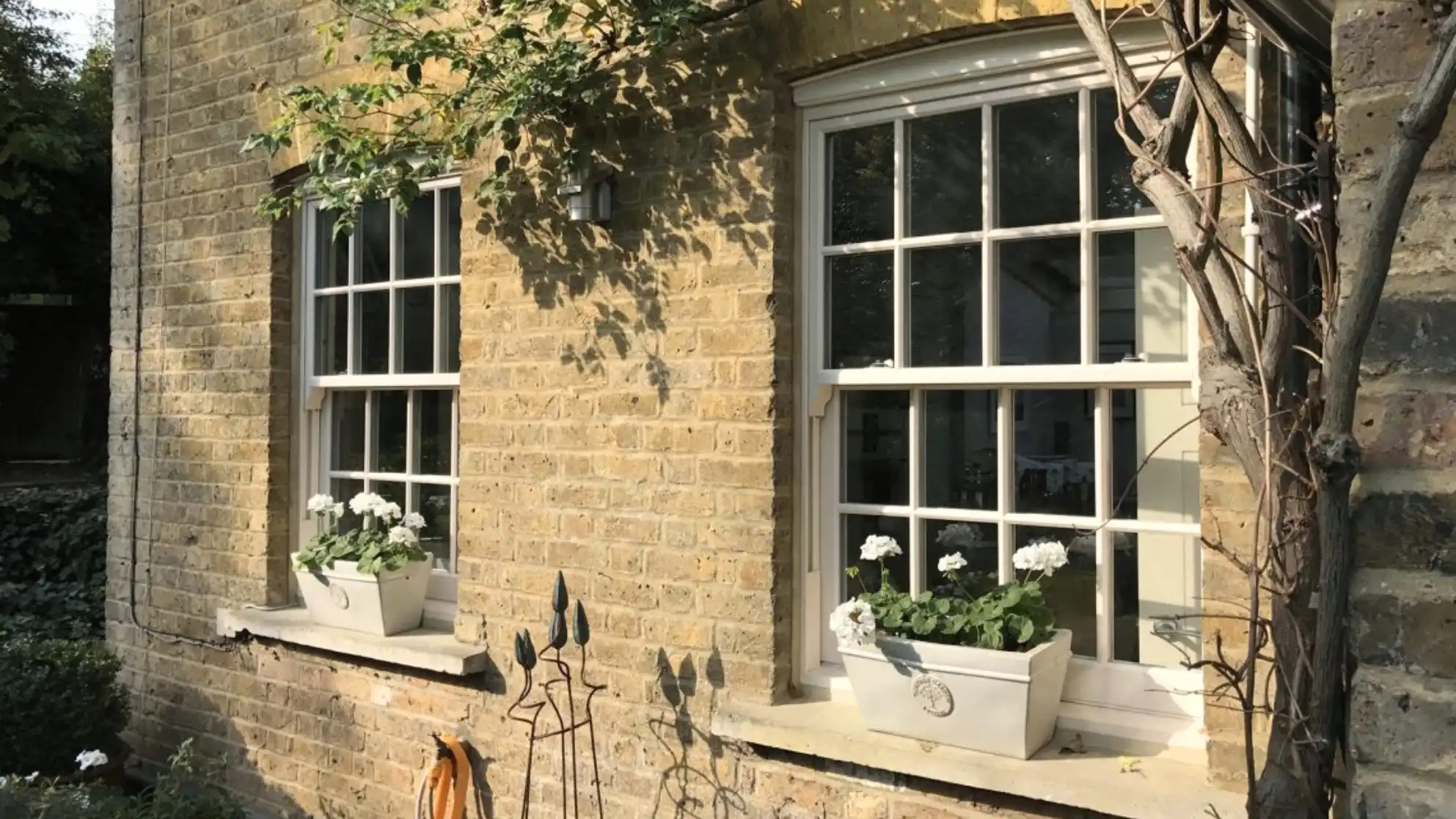
London is home to some of the most recognisable period architecture in the United Kingdom. From Georgian townhouses and Victorian terraces to Edwardian family homes, traditional timber windows remain a defining feature of many properties across the capital.
However, maintaining these original features is becoming increasingly important as ageing timber, rising energy costs and environmental exposure continue to affect older homes. Rather than replacing traditional windows entirely, many homeowners are now choosing professional period window refurbishment London specialists to restore original frames and improve long-term performance.
This approach allows property owners to preserve the architectural character of their homes while benefiting from modern improvements in insulation, comfort and functionality.
The Growing Demand for Refurbishment Instead of Replacement
In the past, replacing old timber windows with modern alternatives was often considered the easiest solution. Today, attitudes have changed significantly.
Many London homeowners now recognise that original timber windows were built using high-quality materials designed to last for generations. In many cases, these windows can be successfully restored rather than removed entirely.
Refurbishment has become especially popular in conservation areas, where maintaining original architectural details is strongly encouraged. Proper restoration helps retain the historic appearance of the property while avoiding the visual problems commonly associated with unsuitable modern replacements.
For period homes, preserving original features often contributes positively to both kerb appeal and long-term property value.
Common Problems Found in Older Period Windows
Traditional timber windows naturally deteriorate over time, particularly in busy urban environments such as London where properties are exposed to constant moisture, pollution and fluctuating temperatures.
Some of the most common issues include:
- rotten timber sections
- draughts and heat loss
- rattling frames
- sticking sash mechanisms
- damaged glazing putty
- peeling paintwork
- condensation and poor insulation
- broken cords or weights
These issues are often gradual, meaning many homeowners only notice the problem once windows become difficult to operate or energy efficiency noticeably declines.
Professional refurbishment specialists typically inspect the condition of the timber, glazing and moving parts before recommending the most suitable restoration approach.
Preserving Architectural Character
One of the biggest advantages of refurbishment is the ability to retain the original design and craftsmanship of period windows.
Victorian and Georgian sash windows were carefully designed to complement the proportions and detailing of traditional London properties. Replacing them with inappropriate modern alternatives can significantly affect the appearance and authenticity of the building.
This is particularly important in heritage areas where local authorities may place restrictions on external alterations.
By refurbishing existing windows rather than replacing them, homeowners can maintain traditional aesthetics while improving functionality behind the scenes.
Improving Energy Efficiency in Period Homes
Many people assume older timber windows cannot perform well in terms of insulation. In reality, modern refurbishment methods can significantly improve thermal efficiency without compromising traditional appearance.
Draught proofing systems, upgraded seals and specialist glazing solutions can all help reduce heat loss and improve comfort levels inside the property.
Slimline double glazing has become increasingly popular in London period homes because it provides improved thermal performance while maintaining the elegant proportions associated with traditional timber windows.
Secondary glazing is also widely used where planning or conservation requirements limit replacement options.
These upgrades allow homeowners to improve efficiency while preserving the character of their property.
Sustainability and Long-Term Value
Refurbishing existing timber windows is often a more environmentally responsible option than complete replacement.
Original hardwood frames were typically constructed using durable materials that are difficult to replicate today. Restoring these windows reduces unnecessary waste and preserves valuable architectural materials that may still have decades of life remaining.
As sustainability becomes increasingly important within the construction and property sectors, refurbishment is now viewed as a practical long-term investment rather than simply a cosmetic improvement.
Well-maintained period windows also continue to add value to traditional London homes, particularly among buyers who appreciate authentic architectural details.
Why Specialist Craftsmanship Matters
Refurbishing period windows requires specialist skills and experience. Traditional sash systems involve intricate joinery, balanced weights, glazing techniques and timber repairs that differ significantly from modern window installation methods.
Poor-quality refurbishment work can create long-term problems such as water ingress, sticking frames or uneven movement.
Experienced specialists understand how to restore original timber correctly while ensuring windows remain functional, secure and visually consistent with the property.
This combination of traditional craftsmanship and modern performance upgrades is one of the reasons specialist refurbishment services continue to see growing demand across London.
Final Thoughts
Period properties form a major part of London’s architectural identity, and traditional timber windows remain central to their character and appearance.
Rather than replacing original windows unnecessarily, many homeowners are now choosing refurbishment as a way to preserve historic features while improving energy efficiency and comfort.
With the right expertise and restoration methods, period windows can continue performing effectively for decades while maintaining the timeless appearance that defines so many London homes.