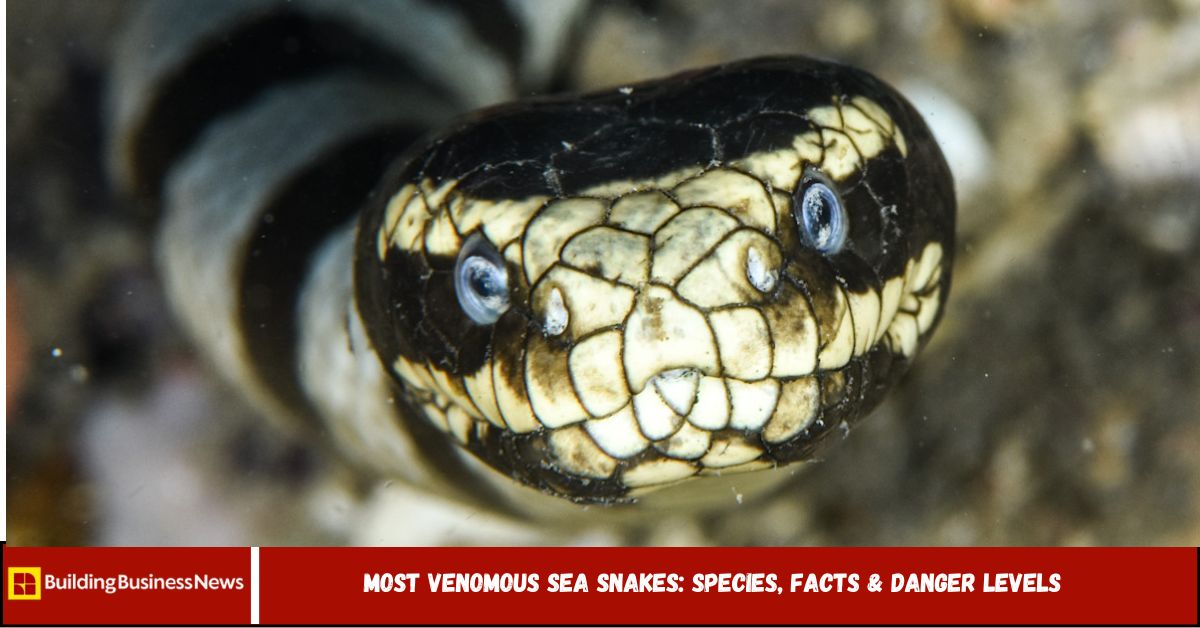
What Are the Most Venomous Sea Snakes in the World?
Sea snakes are among the most venomous creatures on Earth, with venom far more toxic than many land snakes. This article explores the top venomous sea snake species, explains how dangerous they truly are, where they live, and what you should know if you ever encounter one. Backed by scientific data, it separates fear from fact.
With their slender, paddle-like bodies and stealthy movements beneath the waves, sea snakes are as fascinating as they are feared. Known for having some of the most potent venom of any animal, these marine reptiles often raise alarm among swimmers, divers, and scientists alike.
But how dangerous are they really? Are all sea snakes venomous? And which species pose the greatest threat?
In this article, we’ll dive deep into the world of sea snakes—exploring the most venomous species, how their venom works, and what you need to know to stay safe in their territory.
Are Sea Snakes as Dangerous as We Think?
You’ve likely heard that sea snakes are some of the deadliest animals in the ocean. With their potent venom and sleek, paddle-like tails, they can be both fascinating and frightening. But how dangerous are they to humans—and which species should you truly be cautious of?
In this guide, we’ll answer:
- Which sea snake species are most venomous?
- Where are they commonly found?
- How toxic is their venom compared to land snakes?
- Are sea snake bites common or deadly?
- What to do if you encounter one in the wild
Let’s dive in.
What Makes a Sea Snake “Venomous”?
Venomous means the animal can inject toxins through a bite (or sting). Sea snakes have fixed front fangs and produce venom that can paralyze, stop breathing, or damage muscles and nerves.
Their venom is often more potent than cobras or rattlesnakes, but bites are rare due to their shy behavior and small fangs.
The Top 5 Most Venomous Sea Snakes in the World
1. Beaked Sea Snake (Hydrophis schistosus)
- Most venomous sea snake known to science
- Found in: Indian Ocean, Persian Gulf, Southeast Asia
- Venom: Extremely neurotoxic; can kill a human in under 30 minutes
- Responsible for over 50% of all sea snake bites in some regions
2. Dubois’ Sea Snake (Aipysurus duboisii)
- Found in: Coral reefs of Northern Australia and Papua New Guinea
- Venom: Potent neurotoxin affecting muscles and the nervous system
- Often found hiding in coral crevices
- One of the most toxic venom-to-body-mass ratios in marine snakes
3. Belcher’s Sea Snake (Hydrophis belcheri)
- Found in: Coral seas around the Philippines, Indonesia, and Australia
- Venom: Extremely potent—one drop can kill multiple people
- Despite toxicity, rarely bites humans
- Often mistaken for banded sea kraits
4. Yellow-Bellied Sea Snake (Hydrophis platurus)
- Found in: Tropical oceans worldwide (Pacific, Indian Oceans)
- Recognized by bright yellow underside
- Venom: Powerful neurotoxins causing paralysis and muscle breakdown
- One of the few sea snakes seen in open ocean environments
5. Olive Sea Snake (Aipysurus laevis)
- Found in: Great Barrier Reef and northern Australian waters
- Venom: Less toxic than others but still highly dangerous
- Known to be curious and occasionally aggressive, especially during mating season
- Responsible for most human-sea snake interactions in Australia
How Venomous Are Sea Snakes Compared to Land Snakes?
Sea snake venom is 2–10 times more toxic than cobra venom, according to the University of Adelaide’s venom research. However, their fangs are short, and they generally do not inject large quantities of venom unless provoked.
Important fact:
- Less than 3% of sea snake bites are fatal, thanks to prompt medical treatment and antivenom availability.
- Fatalities are rare in areas with access to emergency care.
Where Are Sea Snakes Commonly Found?
Most venomous sea snakes inhabit tropical and subtropical waters in:
- The Indian Ocean
- Southeast Asia
- Northern Australia
- The Western Pacific Ocean
- Persian Gulf
They prefer shallow coastal waters, coral reefs, estuaries, and sometimes open seas.
What to Do If You Encounter a Sea Snake
Sea snakes are not aggressive unless threatened. If you see one while diving or swimming:
- Do not touch or provoke it
- Move away slowly and calmly
- Avoid blocking its escape route
- If bitten, seek emergency medical help immediately
Symptoms can take time to appear but may progress quickly:
- Numbness or tingling
- Muscle weakness
- Difficulty breathing
- Paralysis
Key Takeaways
- The beaked sea snake is considered the most venomous sea snake species.
- Most species are non-aggressive and rarely bite humans.
- Their venom is extremely toxic but fatal bites are very rare.
- Sea snakes live in warm, coastal ocean waters, especially around Australia and Southeast Asia.
- Understanding their behavior and habitat reduces the risk of negative encounters.
Frequently Asked Questions (FAQs)
1. What is the most venomous sea snake in the world?
The beaked sea snake (Hydrophis schistosus) is the most venomous and responsible for the most bites.
2. Are sea snake bites fatal to humans?
Rarely. Fatalities are uncommon if medical care is provided quickly.
3. Where do venomous sea snakes live?
Mainly in tropical coastal waters of the Indian and Pacific Oceans.
4. Can you survive a sea snake bite?
Yes—most bites are treatable with antivenom and supportive care.
5. Are sea snakes aggressive?
No, most sea snakes are shy and only bite when provoked or handled.
6. Do all sea snakes have venom?
Yes, nearly all true sea snakes are venomous, but only a few pose serious danger to humans.
Conclusion
Sea snakes may be highly venomous, but they are not the villains of the ocean. These fascinating marine reptiles play a vital role in the marine ecosystem and pose minimal risk to humans when left undisturbed.
By learning which species are the most venomous and how to safely interact with their environment, we can reduce fear and promote respect for ocean life.