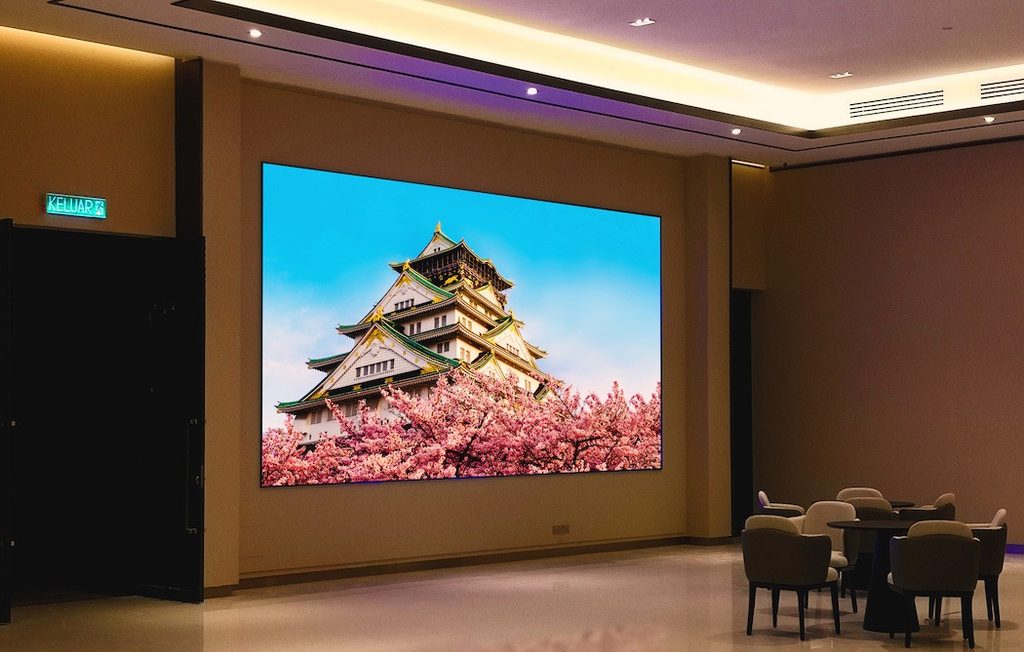
Alt text: Indoor led screen in the ballroom
LED panel lighting has quietly transformed how we think about indoor spaces. From the sleek ceilings of modern offices to the warm ambience of residential kitchens, the indoor LED screen and panel format has become the go-to choice for architects, interior designers, and homeowners alike. And it’s easy to see why these fixtures offer exceptional light quality, low energy consumption, and a clean aesthetic that traditional bulbs simply can’t match.
This guide covers everything you need to know about LED panel indoor lighting: the different types available, the benefits they offer, where they work best, and how to install and maintain them properly. Whether you’re retrofitting an existing space or starting from scratch, you’ll find practical guidance here to help you make the right choice.
What Are the Different Types of LED Panel Indoor Lighting?
Not all LED panels are the same. The right type depends on your ceiling structure, design goals, and how much installation work you’re prepared to do.
Recessed LED Panels
Recessed panels sit flush within the ceiling, creating a seamless, unobtrusive look. They’re particularly popular in offices and commercial spaces where a clean, professional finish is a priority. The main trade-off is installation complexity recessed fitting requires a suitable ceiling void and some electrical know-how.
Surface-Mounted LED Panels
Surface-mounted panels attach directly to the ceiling surface without the need for a recess. This makes them a practical option for rooms where cutting into the ceiling isn’t feasible, such as spaces with concrete ceilings or limited above-ceiling depth. They’re straightforward to install and just as effective as their recessed counterparts.
Suspended LED Panels
Suspended (or pendant) LED panels hang from the ceiling via wires or rods. They offer a striking visual element and are well-suited to open-plan offices, restaurants, and reception areas where the lighting itself contributes to the design scheme. The adjustable positioning also makes them useful for task lighting over desks or dining tables.
Edge-Lit LED Panels
Edge-lit panels use LEDs positioned along the edges, with light diffused across a flat guide plate. The result is an exceptionally slim profile often just a few centimetres deep—making them ideal for spaces where a minimal, modern aesthetic matters most.
What Are the Key Benefits of LED Panel Indoor Systems?
The shift towards LED panel lighting isn’t simply a design trend. There are concrete, measurable reasons why so many spaces are making the switch.
Energy efficiency is the headline advantage. LED panels consume significantly less electricity than fluorescent tube lighting—typically 40–60% less which translates directly into lower energy bills over time.
Lifespan is another major differentiator. A quality LED panel can last upwards of 50,000 hours, compared to 8,000–15,000 hours for fluorescent alternatives. That’s far fewer replacements, less maintenance time, and reduced waste.
Light quality has improved considerably as the technology has matured. Modern LED panels offer high colour rendering index (CRI) values, meaning colours appear more natural and true-to-life under the light. Many panels also allow for adjustable colour temperatures from warm white for living spaces to cool white for task-heavy environments giving users greater control over the ambience.
Eye strain reduction is particularly relevant in office and educational settings. The uniform, flicker-free light distribution of LED panels is far gentler on the eyes than the uneven output of older fluorescent fixtures.
Finally, environmental impact. LED panels contain no mercury (unlike fluorescent tubes), produce less heat, and have a smaller carbon footprint over their lifetime.
Where Are LED Panel Indoor Lights Used?
The versatility of LED panels is one of their strongest selling points. They perform well across a wide range of environments.
Office and commercial workspaces are perhaps the most common application. Consistent, glare-free lighting improves concentration and reduces fatigue both of which matter in a professional setting. Many offices now specify LED panels as standard in fit-out projects.
Retail environments benefit from the high CRI values that LED panels offer, which help products look their best under artificial light. Display areas in particular benefit from the even illumination and lack of shadowing.
Residential spaces such as kitchens, bathrooms, and living rooms are increasingly adopting LED panels, especially recessed and edge-lit formats. The slim profile suits contemporary interiors, and the ability to dim or adjust colour temperature adds genuine lifestyle value.
Healthcare facilities and schools require lighting that supports focus and wellbeing. LED panels meet the technical requirements for these environments good lux levels, consistent output, and low flicker while also reducing maintenance demands in high-use settings.
Hospitality venues use suspended and surface-mounted panels to create layered lighting schemes that balance functionality with atmosphere.
How to Install and Maintain LED Panel Indoor Lighting
Getting the installation right from the start will save you time and money down the line. Here’s what to consider.
Plan before you purchase. Measure the space carefully and calculate the number of panels needed to achieve the recommended lux levels for your intended use (for example, 300–500 lux for office work, 150–300 lux for residential living areas). Consider the layout to ensure even distribution without dark spots or over-bright zones.
Electrical safety comes first. Always isolate the power supply before beginning any electrical work. If you’re not confident working with mains electricity, hire a qualified electrician. Ensure the panels you select are compatible with your existing wiring and any dimmer switches you plan to use.
For ongoing maintenance, LED panels require very little attention compared to traditional lighting. Keeping the diffuser panels clean dust build-up can reduce light output over time. Check driver units periodically, as the LED driver is typically the first component to fail in a panel. Replacing the driver is usually more cost-effective than replacing the entire fixture.
Common issues include flickering (often a driver or dimmer compatibility problem), uneven light output (usually caused by a failing LED strip or poor diffuser contact), and colour shift over time (a sign the LEDs are reaching the end of their usable life).
LED Panels vs. Traditional Lighting: How Do They Compare?
| LED Panels | Fluorescent Fixtures | |
| Lifespan | 40,000–50,000+ hours | 8,000–15,000 hours |
| Energy use | Low | Moderate to high |
| Maintenance | Minimal | Regular tube replacement |
| Mercury content | None | Yes |
| Light quality | High CRI, adjustable | Variable, can flicker |
| Upfront cost | Higher | Lower |
| Long-term cost | Lower | Higher |
The upfront cost of LED panels is higher, but the total cost of ownership over five to ten years is consistently lower when you factor in energy savings and reduced maintenance. For most commercial and residential projects, the payback period is typically two to four years.
Time to Rethink Your Lighting
LED panel indoor lighting offers a compelling combination of efficiency, longevity, and light quality that older technologies struggle to match. The initial investment is offset by lower running costs, fewer replacements, and a better visual environment for the people using the space.
If you’re considering an upgrade, start by auditing your current lighting note the fixtures, energy consumption, and any pain points like glare or inconsistent brightness. From there, a lighting supplier or electrical contractor can help you specify the right panels for each area and plan a phased installation if budget is a concern.
The technology is mature, the products are widely available, and the case for switching has never been stronger.