
Introduction
Interior design continues to evolve as homeowners and designers search for materials that combine beauty, durability, and timeless appeal. One decorative finish that has gained remarkable popularity in recent years is Roman Plaster. Known for its elegant texture and classic charm, this finish has roots that go back thousands of years. Today, it is widely used in homes, offices, restaurants, and luxury spaces because of its ability to create both modern and traditional looks.
Roman Plaster is more than just a wall finish. It is a design element that adds depth, texture, and personality to a room. Whether someone wants a smooth marble-like surface or a soft textured appearance, this material offers a flexible solution. Designers appreciate it because it works well with different styles, including contemporary, Mediterranean, rustic, and minimalist interiors.
Another reason many homeowners are turning to Roman Plaster is its natural composition and long-lasting performance. Unlike ordinary wall paint, which can chip or fade over time, this plaster finish provides durability and elegance that lasts for years. It also reflects light in a unique way, making rooms feel brighter and more spacious.
In this guide, we will explore why Roman Plaster has become such a popular interior finish. We will also discuss its history, design benefits, durability, versatility, and why it remains a perfect choice for both modern and classic interiors.
What Makes Roman Plaster a Unique Wall Finish
Roman Plaster stands out because it combines ancient craftsmanship with modern design trends. Historically, plaster finishes were used in Roman architecture to decorate villas, temples, and public buildings. Craftsmen created beautiful walls using natural materials such as lime, marble dust, and mineral pigments. These materials helped produce smooth surfaces that resembled natural stone.
Today’s Roman Plaster is inspired by those ancient techniques but adapted for modern interiors. The finish is applied in multiple thin layers using specialized tools, which allows artisans to create depth and texture. The final surface may appear polished, matte, or slightly textured depending on the application method.
One reason designers value this finish is the artistic freedom it provides. Every wall finished with Roman Plaster becomes unique because the application technique creates subtle variations in tone and texture. Unlike standard paint, which looks flat and uniform, plaster surfaces bring life and movement to a room.
Another feature that makes Roman Plaster special is its ability to mimic high-end materials. Many people choose it because it can resemble natural marble, limestone, or polished stone. This allows homeowners to achieve a luxurious aesthetic without the high cost of installing real stone surfaces.
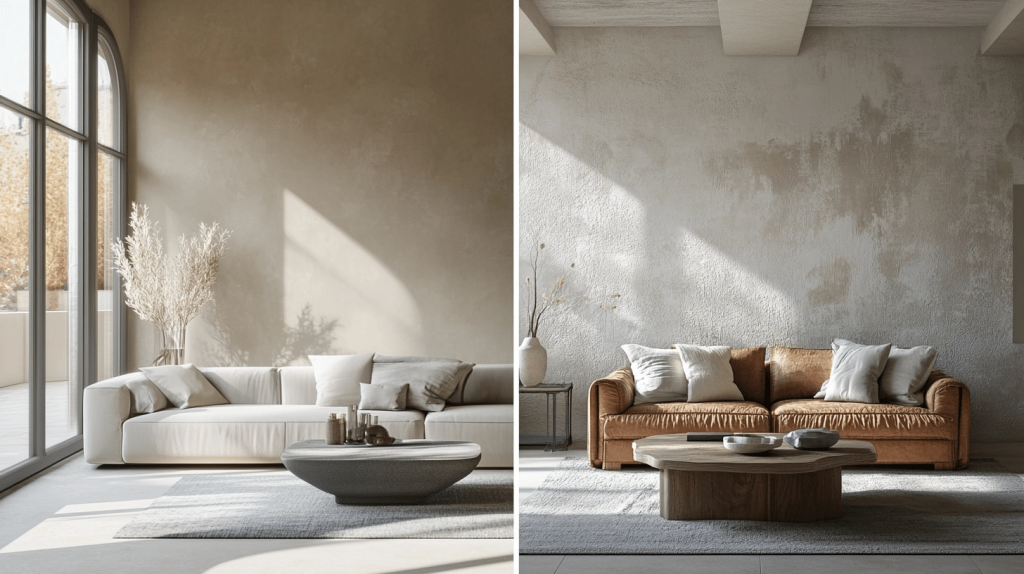
The finish also interacts beautifully with lighting. Natural and artificial light reflect off the textured surface, creating gentle shadows and highlights. This effect gives walls a dynamic appearance that changes throughout the day as the light shifts.
Roman Plaster and Its Timeless Design Appeal
Interior design trends come and go, but some materials remain timeless. Roman Plaster is one of those rare finishes that works equally well in traditional and contemporary spaces. Its versatility makes it a favorite among architects and interior designers.
In classic interiors, Roman Plaster helps create the warm, elegant atmosphere often found in Mediterranean or European-style homes. Soft neutral tones and textured finishes give walls a handcrafted look that feels authentic and inviting. When paired with wooden furniture, stone flooring, or antique décor, the plaster enhances the room’s traditional charm.
At the same time, Roman Plaster is increasingly used in modern and minimalist spaces. Designers appreciate its subtle texture because it adds depth without overwhelming the room. Smooth plaster finishes in neutral shades such as white, beige, or gray complement contemporary furniture and clean architectural lines.
Another advantage is the wide range of color possibilities. Natural pigments can be blended into the plaster to produce almost any shade. This flexibility allows designers to match the wall finish with the overall color scheme of the interior.
The timeless quality of Roman Plaster also comes from its connection to natural materials. Many modern homeowners prefer finishes that feel organic and authentic rather than synthetic. Because plaster often contains natural lime and minerals, it aligns well with the growing demand for eco-friendly interior design.
These qualities make Roman Plaster an excellent choice for spaces that aim to balance tradition with modern style. Whether used in a living room, bedroom, or entryway, it creates a refined backdrop that never feels outdated.
Durability and Long-Term Value of Roman Plaster
A beautiful interior finish is important, but durability is equally essential. One of the biggest advantages of Roman Plaster is its long-lasting performance. When applied correctly by skilled professionals, this finish can remain in excellent condition for decades.
Traditional wall paint often begins to fade, peel, or chip after a few years, especially in high-traffic areas. Roman Plaster, however, forms a strong surface that resists many of these common problems. Because it is applied in layers and bonded to the wall, it becomes a durable part of the structure rather than just a surface coating.
Another benefit is its resistance to minor scratches and marks. While no wall finish is completely damage-proof, plaster surfaces tend to hide imperfections better than flat paint. The natural texture and tonal variations help disguise small marks that might otherwise stand out on a smooth painted wall.
Roman Plaster is also known for its breathability. Lime-based plasters allow moisture to move through the wall, which helps prevent trapped humidity. This characteristic can contribute to a healthier indoor environment and reduce the risk of mold growth in certain climates.
Maintenance is usually simple as well. Many plaster finishes can be cleaned gently with a soft cloth or mild cleaning solution. Over time, if a wall needs refreshing, professionals can often reapply a thin layer of plaster to restore its original appearance without completely removing the existing finish.
Because of its durability and timeless beauty, Roman Plaster can increase the overall value of a property. Homes with high-quality decorative finishes often appeal more to buyers who appreciate craftsmanship and elegant design.
Versatility of Roman Plaster in Different Interior Spaces
One of the reasons Roman Plaster has become so popular is its ability to work in many different areas of a home or commercial space. Unlike some finishes that are limited to specific rooms, plaster can be used almost anywhere to create a sophisticated look.
Living rooms are one of the most common places where Roman Plaster is used. A feature wall finished with textured plaster can become the focal point of the space, drawing attention without needing excessive decoration. Soft lighting and neutral furniture often highlight the beauty of the plaster surface.
Bedrooms also benefit from the calming effect of plaster walls. Smooth finishes in soft tones create a peaceful environment that promotes relaxation. Many designers use Roman Plaster behind the bed as an accent wall to add subtle luxury to the room.
In kitchens and dining areas, plaster surfaces can bring warmth and elegance. When sealed properly, the finish can handle everyday use while maintaining its refined appearance. Restaurants and cafés often choose plaster walls because they create an inviting atmosphere for guests.
Bathrooms are another place where Roman Plaster can shine. Lime-based plaster finishes can perform well in humid environments when applied with the proper protective coating. The result is a spa-like setting that feels both modern and natural.
Commercial spaces such as hotels, boutiques, and offices also benefit from this decorative finish. Businesses often use Roman Plaster to create upscale interiors that leave a lasting impression on customers and clients.
Why Designers and Homeowners Prefer Roman Plaster
Interior designers constantly search for materials that combine beauty, flexibility, and quality. Roman Plaster meets these requirements in a way that few other finishes can match. Its handcrafted appearance adds character to interiors while still allowing for modern simplicity.
One reason designers recommend Roman Plaster is its ability to create a luxurious look without excessive decoration. Because the wall surface itself becomes a design feature, rooms do not need many additional elements to feel complete. This makes it ideal for minimalist spaces where simplicity is important.
Homeowners also appreciate the uniqueness of plaster walls. Unlike factory-made materials, every application is slightly different. The subtle texture and variations give each room a custom feel that cannot be replicated with ordinary paint.
Another factor is sustainability. Many plaster finishes use natural materials such as lime, clay, and mineral pigments. These components are often considered more environmentally friendly compared to synthetic paints that may contain chemicals or strong odors.
Energy efficiency can also be an indirect benefit. The reflective qualities of plaster surfaces help distribute light throughout a room. This may reduce the need for excessive artificial lighting and contribute to a brighter living environment.
Finally, Roman Plaster offers an excellent balance between tradition and innovation. It preserves ancient craftsmanship while adapting to the needs of modern architecture and interior design. This combination makes it appealing to people who value both heritage and contemporary style.
Conclusion
Roman Plaster has stood the test of time for a reason. From ancient Roman villas to modern luxury homes, this decorative wall finish continues to captivate designers and homeowners alike. Its ability to combine texture, elegance, and durability makes it a standout choice for interior design.
One of the greatest strengths of Roman Plaster is its versatility. It can enhance both classic and contemporary interiors, adapt to various color palettes, and create surfaces that feel rich and sophisticated. The natural materials used in plaster also support the growing interest in sustainable and eco-conscious design.
Durability and low maintenance further increase its appeal. Unlike standard paint, which may require frequent touch-ups, plaster finishes can maintain their beauty for many years. This long-term value makes them a smart investment for homeowners who want both style and practicality.
As interior design trends continue to evolve, Roman Plaster remains a timeless solution. Its handcrafted character, natural elegance, and artistic flexibility allow it to transform ordinary walls into stunning architectural features.
For anyone seeking a finish that brings depth, warmth, and lasting beauty to a space, Roman Plaster truly stands out as the perfect choice for modern and classic interiors.
