
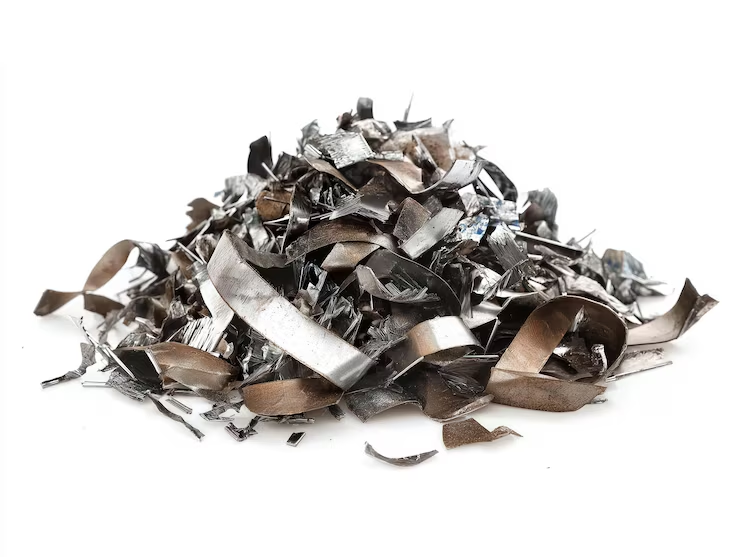
Construction sites generate metal waste constantly. Steel offcuts, copper wire, aluminium frames, old fixtures are all part of this generated scrap. It piles up fast.
Most site managers know they should deal with it properly. But between deadlines, subcontractors, and budget pressures, scrap metal becomes an afterthought to be dealt at a later date. It sits in corners, gets mixed with general rubbish, or disappears without anyone tracking it.
That’s a problem not just for the environment, but for your bottom line.
Why Scrap Metal Management Matters on Construction Sites
Walk onto any building site and you’ll see it. Metal scraps are scattered near work zones. Offcuts are tossed into skips alongside timber and plasterboard. Sometimes, entire pallets of reusable material are buried under rubble.
This isn’t just untidy. It’s wasteful.
Metal has value. Ferrous metals like steel and iron can be recycled endlessly without losing quality. Non-ferrous metals such as copper, brass, and aluminium fetch good rates at recycling yards. When you mix them with general waste or let them rust in puddles, that value disappears.
There’s also the compliance side. Australian regulations around waste management are tightening. Councils and environmental bodies expect construction projects to separate recyclables from landfill waste. Failing to do so can mean fines, project delays, or damage to your company’s reputation.
Then there’s space. Building sites are cramped. Every square metre counts. Letting scrap accumulate eats into storage areas you need for materials, equipment, or worker access.
Start with a Simple Sorting System
You don’t need fancy bins or colour-coded zones. Just separate ferrous from non-ferrous metals at the point where they’re generated.
Ferrous metals are magnetic. Steel beams, iron pipes, rebar offcuts. These go in one pile or skip.
Non-ferrous metals aren’t magnetic. Copper wiring, aluminium window frames, brass fittings. Keep these separate because they’re worth more, and contamination reduces their recycling value.
Train your crew to recognise the difference. It takes five minutes at the morning briefing. Once they understand why it matters, most workers get on board. They don’t want to haul rubbish twice or watch money go to landfill.
Place designated collection points near high-activity zones. If fabricators are cutting steel near the east wall, put a metal skip there. Don’t make them walk across the site every time they need to dispose of an offcut.
Label everything clearly. “Ferrous Metals Only” or “Copper & Aluminium” works better than generic “Recycling” signs.
Timing Your Collections
Small amounts of scrap don’t justify a pickup. It’s not cost-effective for recycling companies to send trucks for a few kilos of wire or a handful of brackets.
For household quantities, people bring material to the yard themselves. They might hire a pickup or trailer. But construction sites operate differently.
Large commercial operations that generate substantial volumes can arrange scheduled collections. A demolition project pulling down an old factory will generate tonnes of steel and copper. That’s when professional collection services make sense.
The key is batching. Let scrap accumulate until you have enough to justify a truck. This might be weekly for major builds or monthly for smaller renovations. Check with your recycling provider about minimum quantities.
Some sites use roll-on roll-off skips for metal waste. They’re delivered empty, filled over weeks, then swapped out when full. This works well for projects with steady but moderate scrap generation.
Preventing Contamination
Mixed loads lose value fast. A skip full of clean steel is straightforward to process. The same skip with timber, plastic, and wet concrete mixed through becomes problem waste.
Recycling yards have to sort contaminated loads manually. That costs time and money. They’ll either charge you more or offer less for the material. Sometimes they’ll refuse it altogether.
Rain is another enemy. Exposed metal oxidises. Rusty steel is harder to process and fetches lower prices. Corroded copper and aluminium might be rejected entirely if the deterioration is severe.
Cover your metal storage areas. A tarp costs little but protects thousands of dollars’ worth of recyclable material. Position skips under shelter where possible, or fit them with lids.
Who’s Responsible?
Confusion kills good systems. If nobody owns scrap management, it doesn’t get done properly.
Assign one person to oversee metal waste on site. This doesn’t have to be their only job. A site supervisor or project coordinator can handle it alongside other duties. They just need clear authority and accountability.
Their role includes checking skips aren’t being misused, arranging collections before skips overflow, and liaising with recycling providers about pickup schedules.
Communicate this to subcontractors. Electricians, plumbers, steelworkers. They all generate metal waste. Make sure they know where it goes and who to contact with questions.
Documentation and Tracking
You probably track materials coming onto the site. Do the same for what leaves.
Keep records of scrap collections. Date, weight, metal type, and which company collected it. This helps with environmental reporting and proves compliance if you’re audited.
Some recycling companies provide weighbridge dockets or collection certificates. File these systematically. They’re evidence that your site is managing waste responsibly.
Tracking also reveals patterns. You might discover you’re generating more copper offcuts than expected, suggesting wastage during installation. Or that steel deliveries include excessive unusable material, pointing to supplier issues.
Working with the Right Recycling Partner
Not all scrap metal services suit construction sites. You need a provider who understands commercial operations and can handle large volumes when you’re ready to move material.
Look for companies with experience in the construction sector. They understand site access challenges, safety requirements, and the types of metal typically generated during builds.
Ask about their processing capabilities. Can they handle both ferrous and non-ferrous materials? Do they sort mixed loads or expect pre-separation? What’s their policy on contaminated skips?
Reliability matters. A missed collection means overflowing skips and work disruptions. Check references from other construction companies before committing.
Common Mistakes to Avoid
Waiting until the project ends to address scrap is one mistake. By then, metal is buried under other waste or scattered across the site. It’s harder to recover and often ends up in a landfill.
Another error is assuming all metal is the same. Mixing grades and types reduces value. Stainless steel mixed with regular steel, or aluminium contaminated with brass, creates sorting headaches that cost you money.
Some sites try to handle everything in-house. They load scrap onto company vehicles and drive it to recycling yards themselves. This works for small amounts but becomes inefficient at scale. Staff time, vehicle wear, and fuel costs add up. Professional collection is usually cheaper for substantial volumes.
The Long View
Sites with good waste systems run smoothly. There’s less clutter, better organisation, and fewer compliance worries. Workers appreciate orderly environments where materials are in the right place.
Your reputation improves, too. Clients notice when projects are clean and environmentally responsible. That can influence future contract awards.
Perhaps most importantly, you’re contributing to a circular economy where materials get reused instead of being extracted fresh. Mining and refining metal takes enormous energy. Recycling uses a fraction of that. Every tonne of scrap you recycle reduces environmental impact.
Construction will always create waste. The question is whether that waste becomes a problem or a resource.
