
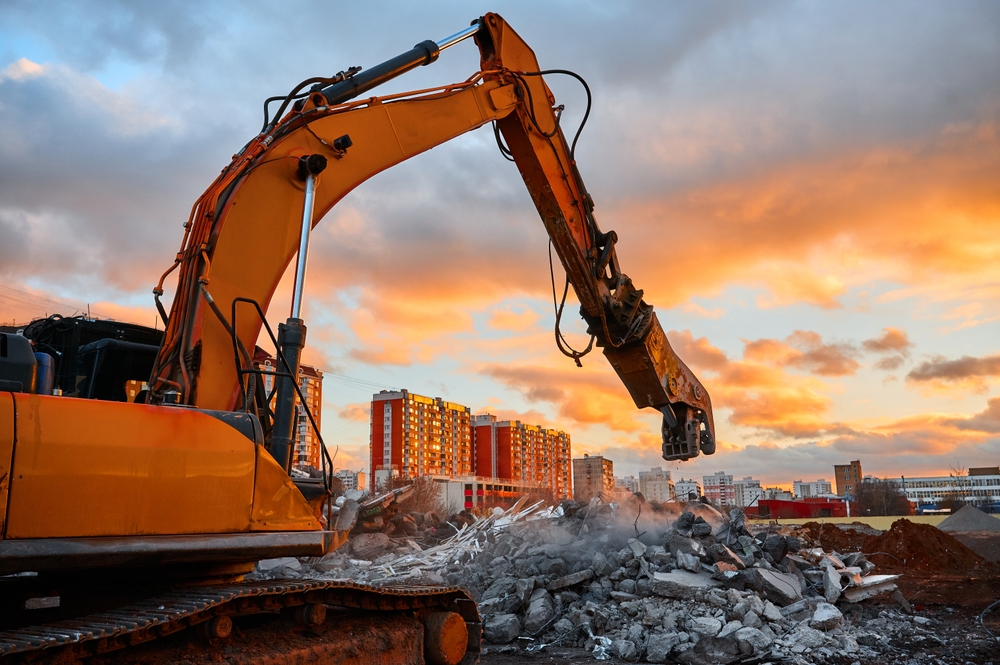
Rock crushers are among the most essential pieces of machinery in the mining, construction, and material processing industries. These powerful machines transform large, unmanageable rocks into smaller, usable materials that form the foundation of roads, buildings, and countless infrastructure projects. But modern rock crushers are far more than brute force machines — they are technological marvels that combine engineering precision, energy efficiency, and automation to deliver consistent, high-quality results. Contractors searching for a reliable concrete crusher near me can benefit from modern mobile crushing units that bring powerful, on-site material recycling directly to their job locations, saving both time and transportation costs.
The Purpose Of Rock Crushers
At their core, rock crushers perform one fundamental task — breaking down large rocks into smaller fragments suitable for construction or processing. This process, known as crushing and screening, is a critical step in producing aggregate materials like gravel, sand, and crushed stone.
Numerous industries, including mining, building, demolition, and recycling, use contemporary rock crushers. They help turn raw materials or waste rock into valuable, reusable resources. By reducing rock size, crushers make it easier to transport and use materials efficiently, ultimately supporting sustainable building and resource management.
The Mechanics Behind Modern Crushing
Although there are several types of rock crushers, the basic idea is still the same: use mechanical force to fracture big boulders into smaller fragments. However, modern designs have evolved to make this process more precise and efficient.
There are three main stages of crushing: primary, secondary, and tertiary. A certain kind of crusher is used at each stage to produce the final product with the appropriate size and texture.
- Primary Crushers: These machines handle the first stage of breaking down massive rocks from quarries or mining sites. The most common type is the jaw crusher, which uses compressive force. It features two plates — one stationary and one that moves — to crush the rock between them.
- Secondary Crushers: Once the rocks are reduced in size, they move to the secondary stage, often handled by cone crushers or impact crushers. Cone crushers provide fine, consistent output by compressing material between a stationary outer wall and an eccentrically rotating cone. Meanwhile, impact crushers use high-speed blow bars or hammers to shatter rocks, which are ideal for producing well-shaped, smaller aggregates.
- Tertiary Crushers: The final stage is all about refinement. vertical shaft impact crushers or specialized cone crushers are used to produce fine sand or aggregate ready for asphalt and concrete production.
Each crusher is selected based on the material type, desired product size, and required production capacity, ensuring maximum efficiency throughout the process.
Innovation And Technology In Modern Crushers
Modern rock crushers have evolved far beyond traditional mechanical designs. With technological advancements, manufacturers have introduced automation, sensors, and energy-efficient systems that make these machines smarter and more sustainable.
For instance, automated control systems monitor crusher performance in real time. They adjust settings automatically to maintain consistent output, prevent overloads, and reduce downtime. This not only extends the machine’s lifespan but also optimizes fuel and energy use.
Additionally, hydraulic systems make maintenance and adjustments much easier. Operators can clear blockages, adjust settings, and change liners quickly without extensive manual effort, improving overall safety and uptime.
Another game-changing innovation is the development of mobile and portable rock crushers. These units allow operators to bring the crushing process directly to the job site, reducing transportation costs and boosting productivity. Portable crushers are particularly valuable for recycling concrete and asphalt on-site, turning waste materials into usable aggregate with minimal environmental impact.
Energy Efficiency And Environmental Responsibility
Sustainability has become a key focus in modern cruising technology. Manufacturers are designing rock crushers that consume less power, produce less noise, and minimize dust emissions.
For example, variable speed drives (VSDs) optimize motor performance to use only the necessary power during operation. Meanwhile, improved dust suppression systems and noise insulation features help ensure compliance with environmental regulations, making crushers safer and more eco-friendly.
Furthermore, rock crushers play an important role in recycling efforts. The requirement for new raw materials can be decreased and landfill waste can be decreased by crushing and reusing old concrete, asphalt, and demolition debris. This makes modern crushers an essential part of a circular construction economy.
Choosing The Right Rock Crusher
Selecting the right crusher depends on factors like material hardness, feed size, desired output size, and production requirements. For example, a jaw crusher may be ideal for hard, abrasive materials like granite, while an impact crusher may be better for softer stones like limestone.
These days, many enterprises employ a multi-stage process that combines jaw, cone, and impact crushers to produce exact output. Modern control systems also allow operators to monitor production data, making it easier to optimize operations for cost and efficiency.
