
Most equipment breakdowns don’t announce themselves with fanfare. They happen quietly, often in the middle of a critical operation, when a single component fails. In hydraulic systems, that component is frequently the hose. It’s not the pump that gets the attention, nor the cylinder doing the heavy lifting. Rather, it’s the unassuming hose that connects everything, transferring pressure, enabling movement, and absorbing the vibrations that would otherwise tear your system apart.
The hydraulic hose serves as the circulatory system of your machinery. When fluid needs to travel from the pump to the actuator under immense pressure, this flexible conduit makes it possible. Yet many operators treat hose selection as an afterthought, choosing based on price rather than performance. That decision often comes back to haunt them when production stops because a hose has burst, spraying hydraulic fluid across the shop floor and bringing operations to a grinding halt.
The Hidden Role of Your Hydraulic Hose
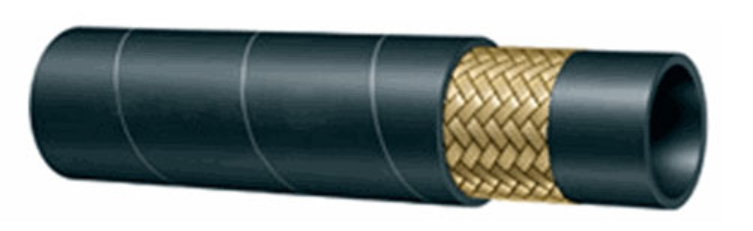
Pressure Transfer Under Extreme Conditions: Your hydraulic system operates under pressures that would make most components buckle. The hose must contain fluid moving at thousands of PSI while remaining flexible enough to allow machine movement. This isn’t a simple tube. It’s a carefully engineered assembly of inner tube, reinforcement layers, and outer cover, each playing a specific role in maintaining system integrity under stress.
Movement and Flexibility Requirements: Machines don’t stay static. They bend, rotate, and extend throughout their operational cycle. The hose must accommodate this movement without kinking, twisting, or developing weak points. A rigid pipe can’t handle the dynamic nature of modern hydraulic equipment. The hose bridges the gap between fixed and moving parts, absorbing the mechanical stresses that accumulate during operation.
Vibration Dampening Properties: Hydraulic pumps generate substantial vibration that travels through the entire system. Without proper dampening, these vibrations would loosen fittings, crack rigid connections, and create fatigue failures throughout your equipment. The hose acts as a shock absorber, isolating sensitive components from the constant pulsing that characterises hydraulic operation.
What Happens When You Choose Wrong
Catastrophic Failures and Safety Risks: A burst hose doesn’t just mean downtime. It creates genuine hazards. High-pressure hydraulic fluid can penetrate skin, causing serious injury. The sudden release of pressure can whip the hose around, striking nearby workers. Oil spraying onto hot surfaces creates fire risks. These aren’t theoretical concerns. They happen on job sites every day when inferior hoses fail under operating conditions they weren’t designed to handle.
Production Losses Add Up Quickly: Consider what happens when a hose fails mid-shift. Operations stop immediately. You need to source a replacement, often paying premium prices for emergency delivery. Technicians must drain the system, remove the failed hose, install the new one, refill the hydraulic fluid, and bleed air from the lines. That’s hours of lost production, possibly an entire shift. If the failure caused contamination or damaged other components, the costs multiply rapidly.
Key Factors in Selecting Industrial Hydraulic Hoses
Choosing the right hose requires understanding your specific operating conditions:
- Pressure rating must exceed your system’s maximum operating pressure: Don’t cut it close. A hose rated at your system’s exact working pressure will have a shortened service life.
- Temperature compatibility matters more than most realise: Both the fluid temperature and ambient conditions affect hose performance. Cold weather makes some materials brittle while extreme heat degrades others.
- Chemical compatibility prevents premature failure: Your hydraulic fluid must be compatible with the hose’s inner tube material. Incompatible combinations lead to swelling, softening, or hardening of the tube.
- Flexibility requirements depend on your application: Tighter bending radii require more flexible hoses with different reinforcement structures.
- Abrasion resistance protects against environmental damage: Hoses that rub against structures or move through tight spaces need durable outer covers.
Building Systems That Last
Proper Hose Construction Makes the Difference: Quality hoses use multiple layers of reinforcement, typically braided or spiral-wound wire, to contain pressure while maintaining flexibility. The reinforcement pattern affects both pressure rating and flexibility. Braided hoses offer excellent flexibility for lower pressure applications, whereas spiral designs handle extreme pressures in demanding environments.
End Fittings and Assembly Quality: The hose itself might be perfect, but if the fittings aren’t properly crimped or the assembly process introduces contamination, you’re still headed for failure. Professional assembly in controlled conditions ensures that connections meet specifications and the hose interior remains clean.
Environmental and Operational Considerations
Matching Hose to Application Environment: Construction sites present different challenges than manufacturing facilities. Outdoor equipment faces UV exposure, temperature extremes, and physical abuse that indoor machinery never encounters. Marine applications introduce saltwater corrosion concerns. Chemical plants require resistance to specific substances. Your hose selection must account for these environmental factors, not just the hydraulic specifications.
Maintenance and Inspection Protocols: Even the best hoses require regular inspection. Look for signs of abrasion, cracking in the cover, soft spots indicating inner tube failure, or leaking at fittings. Catching problems early prevents catastrophic failures. Establishing inspection schedules based on operating hours and conditions helps identify wear before it becomes dangerous.
Conclusion
Your hydraulic system’s reliability depends entirely on the weakest link in the pressure chain. More often than not, that weak link is an undersized, poorly made, or incorrectly specified hose. The initial savings from choosing cheaper alternatives disappear rapidly when you factor in downtime, safety incidents, and premature equipment wear. Investing in properly engineered hoses matched to your specific operating conditions pays dividends through reliable operation and extended service life.
Take time to evaluate your requirements, consult with knowledgeable suppliers, and specify hoses that meet the actual demands of your application rather than just the minimum specifications on paper.
