
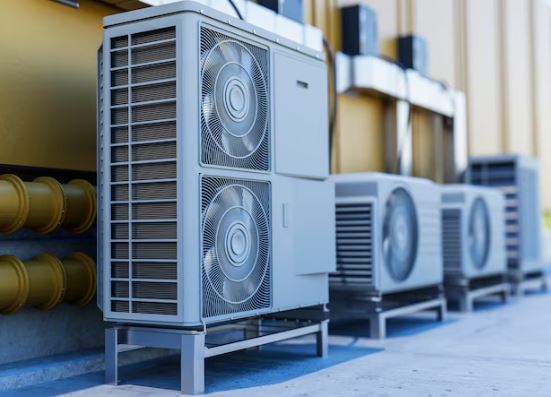
You own or manage a commercial building in the UK. Your air conditioning keeps things comfortable. But there’s a legal requirement many people miss until it’s too late.
Your building might need regular inspections of that cooling system. Skip them and you could face an £800 fine. Worse, it might come up during a property sale, causing delays nobody wants.
The Legal Bit About TM44
A TM44 inspection checks how well your air conditioning works. It’s not optional if your system is large enough. The government brought this in to cut carbon emissions and stop energy waste.
These inspections look at your cooling equipment, maintenance records, and whether the system makes sense for your building size. An accredited assessor does the work. You get a certificate that lasts five years.
The rules come from the Energy Performance of Buildings Regulations. Technical Memorandum 44 is where the name comes from.
Does Your Building Need One?
Not every property needs this. The requirement kicks in for air conditioning systems rated above 12kW of cooling output.
Small window units in a tiny office? Probably fine. Central air conditioning across multiple floors? You need an inspection.
Properties that typically need certificates:
- Office buildings with central cooling
- Shopping centres and retail units
- Hotels and restaurants
- Healthcare buildings
- Warehouses with climate control
- Any multi-tenant commercial space
Landlords with several properties need to track each one separately. Missing a certificate on even one building creates problems. Compliance gaps can snowball fast when you’re managing a portfolio.
How Often Should You Book Inspections?
Certificates last five years from the inspection date. Not from when you remember to book the next one. That’s where people get caught out.
Say your certificate expired in March. You book an inspection in July. You’ve been non-compliant for four months. Penalties can apply for that entire period.
Some building owners wait until they’re selling. Bad idea. Buyers check compliance now. An expired certificate can kill deals or reduce what people will pay.
Set a reminder for four years. Gives you time to book without stress. You’re not scrambling at the last minute trying to find an assessor who can fit you in.
What Happens When the Assessor Visits?
The process takes a few hours, usually. Depends on how complex your system is. Simple setups might be done in two hours. Larger buildings with multiple zones take longer.
The assessor needs access to your air conditioning equipment and plant rooms. They’ll check control systems too. They’re looking at capacity, age, maintenance history, and how the system actually performs.
They examine refrigerant levels and whether your controls make sense. It’s not just a box-ticking exercise. You get recommendations for improvements that might save you money.
After the inspection, your certificate goes onto the Landmark Register. That’s the official government database. You get a copy for your records.
Why This Actually Matters
Fines are one thing. The other risks are worse, perhaps.
Property transactions now include detailed compliance checks. Solicitors look for valid certificates. Missing documentation delays completions. It raises questions with buyers who start wondering what else might be wrong.
Insurance companies are paying attention too. Some policies require proof that you’re meeting regulations. An expired certificate might give them grounds to reduce coverage. Or reject claims if something goes wrong with your system.
Then there’s the money angle. Air conditioning can eat up 30 to 40 per cent of your building’s energy costs. An inefficient system wastes money every single month. The inspection report shows where you’re losing cash and how to fix it.
Mistakes Building Owners Keep Making
Forgetting renewals is the main problem. Five years feels ages away until suddenly it isn’t.
People confuse TM44 with Energy Performance Certificates, too. They’re different things. EPCs rate your whole building’s energy use. TM44 looks specifically at air conditioning. You might need both depending on your property.
Another mistake is thinking tenants handle it. Unless your lease says otherwise, you’re responsible. Tenants might manage day-to-day maintenance. But the legal requirement sits with building owners.
Some people skip inspections because the AC still works fine. Compliance isn’t about whether your system cools properly. It’s about meeting legal requirements and showing you monitor energy performance.
When You Need a Certificate Fast
Sometimes you need one urgently. A property sale moves faster than expected. An audit gets scheduled. Compliance checks appear without warning.
Most providers offer emergency services. You can get inspections within 24 to 48 hours if needed. Costs more obviously. Still cheaper than losing a property deal or facing enforcement.
Better not to put yourself in that situation, though. Regular monitoring keeps you ahead of problems.
Managing Multiple Buildings
One building is easy to track. Ten or twenty gets messy quickly.
Spreadsheets work until someone forgets to update them. Digital systems exist, but many owners don’t know about them.
Try this instead. Create a compliance calendar just for energy certificates. Include TM44 renewals and EPC updates. Set reminders six months early.
For bigger portfolios, spread inspections across the year. Don’t try to do everything at once. Avoids administrative chaos and budget spikes.
What Your Report Actually Shows
The certificate proves compliance. The report is where real value lives.
You’ll see specific recommendations for better performance. Maybe your controls need upgrading. Perhaps the system is too large for current needs. The report lays it out clearly.
Some recommendations include payback periods. You can see which improvements save money quickly. Which ones are longer investments?
Keep old reports even after five years. They create a performance history. Future assessors can see what changed and how your system evolved over time.
Getting It Done
Book your inspection before your current certificate runs out. Don’t leave it until the last week.
Not sure if your system needs TM44? Check the cooling capacity. Your maintenance contractor should know this. Building management systems have the information too. Anything above 12kW needs an inspection.
Buildings approaching their five-year renewal should start planning now. Contact an accredited assessor. Schedule a time that suits. Get it done whilst you’re still within your valid period.
Compliance feels boring. But it protects your investment and keeps you legal. Might even cut your energy bills.
Two related topics worth exploring:
Understanding how TM44 fits with other building requirements helps. The connection between air conditioning performance and energy costs affects your bottom line, too.
