
Whether you’re swapping out a light switch or rewiring an entire basement, the quality of your electrical components matters more than most people realise. Cheap materials might save a few dollars upfront, but they often lead to frustrating callbacks, safety concerns, or projects that need redoing within months. Starting with dependable gear means fewer headaches down the road and results that actually last over time.
Finding the right supplies locally makes a real difference, especially when you need advice or need to grab something quickly. For homeowners tackling weekend projects or contractors managing multiple job sites, having access to quality Northern Ontario electrical supplies means less time driving around and more time getting work done. Local suppliers understand the unique demands of the region’s climate and building codes, which helps ensure you’re getting materials suited to the environment.
Why Quality Electrical Components Matter
Safety Comes First: Electrical work isn’t an area where cutting corners makes sense. Substandard wiring, poorly manufactured breakers, or low-grade outlets can create genuine hazards, from overheating connections to complete system failures. Investing in properly rated components from trusted suppliers reduces risk for everyone in the building, whether it’s your own home or a client’s property you’re working on.
Longevity Saves Money: It’s tempting to buy the cheapest option available, but electrical components that fail prematurely end up costing more in replacement costs and labour. Quality switches, receptacles, and wire last decades without issues, whereas bargain alternatives might need attention within a few years. For contractors, callbacks eat into profits and damage reputations, making reliability worth the slightly higher initial investment.
Code Compliance Matters: Building inspectors take electrical work seriously, and using approved materials keeps projects moving forward smoothly. Reputable suppliers stock components that meet Canadian electrical standards, so you’re not scrambling to replace rejected materials halfway through a job. This becomes particularly important for renovation work where inspections are mandatory before closing up walls.
Essential Supplies for Common Projects
Basic Repairs and Upgrades: Most homeowners will eventually need to replace an outlet, install a new light fixture, or add a switch somewhere. Having the right wire nuts, electrical tape, and properly rated boxes on hand makes these jobs straightforward. Box fill calculations matter more than people think, so getting advice on sizing prevents issues during inspections.
Wiring for Renovations: Basement finishes, kitchen updates, and room additions require running new circuits and often upgrading panel capacity. Romex cable comes in different gauges for different applications, and using the wrong size creates problems. Proper connectors, staples, and junction boxes keep everything organised and code-compliant throughout the rough-in process.
Outdoor and Specialised Applications: Exterior lighting, garage circuits, and workshop setups need weather-resistant components and sometimes heavier-duty wiring. GFCI protection becomes mandatory in wet locations, and using outdoor-rated boxes prevents moisture intrusion. Northern climates add extra considerations around temperature ratings and UV exposure that affect material selection.
Tools That Make Electrical Work Easier
Wire Strippers and Cutters: Clean cuts and properly stripped wire ends create solid connections that won’t loosen over time. Quality strippers adjust for different wire gauges and remove insulation without nicking the copper, which matters more than it seems. Dull or poorly designed tools damage conductors and slow down every connection you make.
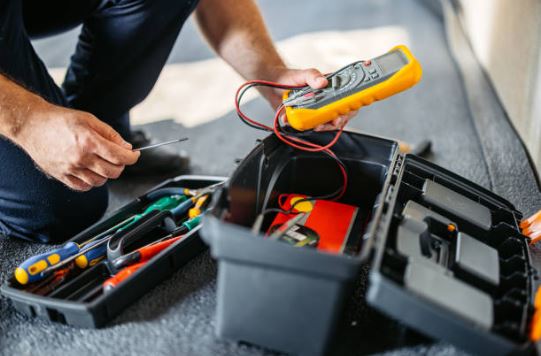
Voltage Testers and Multimetres: Working safely around electricity means knowing for certain whether circuits are live before touching anything. Non-contact voltage testers provide quick checks, whilst multimetres let you measure actual voltage, continuity, and resistance. Having both tools available prevents dangerous assumptions and helps diagnose problems accurately.
Fish Tapes and Cable Pullers: Running wire through finished walls or long conduit runs becomes much simpler with proper pulling equipment. Fibreglass fish tapes navigate tight spaces better than steel versions, and using pulling lubricant on larger runs prevents jacket damage. These tools turn frustrating jobs into manageable ones, especially when dealing with crowded boxes or complex routing.
Planning Your Electrical Project
Calculating Your Needs: Before buying materials, sketch out your project and count all the outlets, switches, and fixtures you’ll need. Add ten percent extra for mistakes and future changes, because running short halfway through wastes time. Understanding your total amperage requirements helps determine whether your existing panel can handle additional circuits or needs upgrading.
Understanding Load Requirements: Different circuits carry different loads, and mixing them incorrectly creates problems. Lighting circuits typically run on 15-amp breakers, whilst kitchen counters and laundry areas need 20-amp dedicated circuits. Large appliances often require their own circuits, and knowing these requirements upfront prevents overloaded breakers and potential hazards.
Creating a Material List: Breaking your project into specific tasks makes shopping more efficient and ensures nothing gets forgotten:
- Wire in appropriate gauges for each circuit type, with extra length for routing flexibility and connections.
- Boxes and covers matched to locations, including depth requirements for switch gangs and weatherproof ratings for exteriors.
- Breakers compatible with your panel brand and rated correctly for the circuits they’ll protect from overloads.
- Connectors, staples, and mounting hardware in sufficient quantities, since running out of wire nuts mid-project wastes time.
Working With Local Suppliers
Getting Expert Advice: Staff at established electrical suppliers often have years of field experience and can suggest solutions you might not have considered. They understand local code requirements and climate-specific concerns that affect material choices. Building relationships with knowledgeable suppliers means getting better guidance when tackling unfamiliar projects or troubleshooting unexpected issues.
Availability When You Need It: Big box stores carry all the basics, but specialised components often require ordering and waiting. Local suppliers typically stock a broader range of professional-grade materials and can source unusual items quickly. For contractors managing tight schedules, having reliable access to supplies prevents costly project delays.
Supporting Regional Business: Purchasing from local suppliers keeps money circulating within the community and maintains jobs in the area. These businesses often sponsor local events and contribute to regional development in ways that distant corporations don’t. There’s something to be said for knowing the people you’re buying from and having accountability beyond a corporate customer service line.
Conclusion
Electrical projects demand attention to detail and proper materials, regardless of scope or complexity. Using quality components from reliable sources protects your investment and keeps everyone safe, whilst poor materials create ongoing problems that erode any initial savings. Take time to plan thoroughly, gather the right supplies, and don’t hesitate to ask questions when uncertainty arises. Your next electrical project deserves materials that match your effort and skill.
