Driving while intoxicated is one of the most serious traffic-related offenses in the United States. When alcohol or drugs affect a driver’s ability to operate a vehicle safely, the consequences can quickly become life-changing. The situation becomes even more severe when a crash occurs and someone is injured or killed. In these situations, drivers may face felony-level criminal charges instead of simple misdemeanor offenses. Understanding how felony DWI laws work can help drivers, families, and accident victims better prepare for the legal process ahead.
A DWI charge can impact every part of a person’s life. It may affect employment opportunities, professional licenses, insurance rates, and even personal relationships. Courts and prosecutors often treat drunk driving accidents very seriously because these incidents can cause permanent harm to innocent people. Knowing what happens after an accident involving impaired driving is important for anyone facing these charges or trying to understand the criminal justice system.
Understanding Felony DWI Charges After an Accident
A DWI, or driving while intoxicated, usually begins as a misdemeanor offense for first-time offenders. However, certain circumstances can raise the charge to a felony. One of the most common reasons for a felony upgrade is when an accident causes serious injuries or death. Felony DWI Charges After an Accident are often filed when prosecutors believe the driver’s impaired condition directly contributed to the crash.
Different states use different legal terms. Some states call the offense DUI, which stands for driving under the influence, while others use DWI. Even though the names vary, the legal consequences are often similar. Felony charges generally carry harsher penalties than misdemeanors because the law views these incidents as more dangerous to public safety.
Several factors can turn a regular drunk driving case into a felony. A high blood alcohol concentration level may increase the seriousness of the offense. Repeat offenses can also result in felony charges, especially if the driver already has prior convictions for impaired driving. If children were inside the vehicle during the crash, prosecutors may seek additional criminal penalties as well.
The severity of injuries plays a major role in these cases. Minor property damage may not result in felony prosecution, but serious bodily harm often does. Broken bones, brain injuries, spinal cord damage, and permanent disabilities are examples of injuries that may support felony accusations. Courts may also consider whether the driver attempted to leave the scene or failed to help injured victims after the accident.
Felony drunk driving laws exist to discourage reckless behavior and protect communities. Lawmakers believe stronger punishments can reduce repeat offenses and encourage safer driving habits. As a result, these cases often receive aggressive prosecution from district attorneys and law enforcement agencies.
Legal Consequences and Criminal Penalties
The penalties connected to Felony DWI Charges After an Accident can be severe and long-lasting. Convictions may lead to prison time, large fines, probation, community service, and mandatory alcohol treatment programs. In many states, felony convictions can remain on a criminal record permanently, making it difficult for individuals to move forward with their lives.
Prison sentences vary depending on the circumstances of the accident. Some drivers may receive a few years behind bars, while others could face decades in prison if fatalities occur. Judges often consider factors such as prior criminal history, the level of intoxication, and the number of people injured during sentencing.
Financial penalties are also significant. Courts may impose thousands of dollars in fines and restitution payments. Restitution is money ordered to compensate victims for medical expenses, lost wages, rehabilitation costs, and property damage. Insurance premiums often increase dramatically after a felony drunk driving conviction, and some drivers may lose coverage entirely.
License suspension or revocation is another common consequence. Many states immediately suspend a driver’s license after a drunk driving arrest, especially if the driver refuses chemical testing. A felony conviction can result in long-term driving restrictions or permanent loss of driving privileges. Some offenders may qualify for restricted licenses that allow limited travel for work or medical appointments.
Probation conditions are often strict. Offenders may need to attend regular court hearings, complete alcohol education programs, submit to random drug testing, and avoid consuming alcohol entirely. Ignoring these conditions can result in additional penalties or jail time.
A felony conviction can affect employment opportunities as well. Many employers conduct background checks before hiring workers, and felony records may limit career choices. Professional licenses for healthcare workers, teachers, commercial drivers, and other regulated professions can also be suspended or revoked after a conviction.
Immigration consequences may apply to non-citizens. Certain felony convictions can affect visa applications, green card status, or naturalization eligibility. Because of these serious outcomes, many defendants seek experienced criminal defense attorneys to help protect their rights during court proceedings.
What Happens After a DWI Accident Investigation
After a drunk driving accident occurs, law enforcement officers begin investigating the scene immediately. Their goal is to determine whether intoxication contributed to the crash and whether criminal charges should be filed. The investigation process can be detailed and time-consuming, especially in accidents involving severe injuries or fatalities.
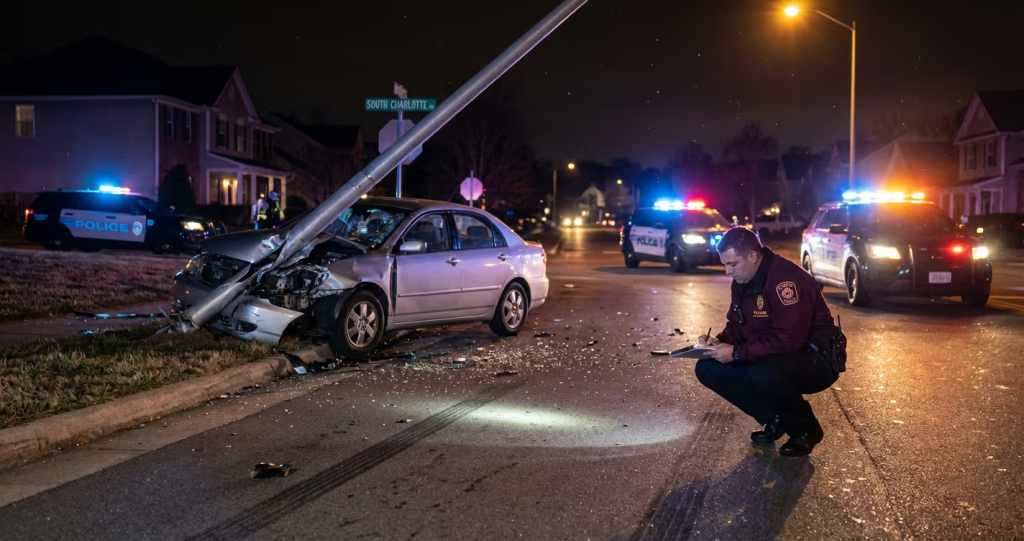
Police officers typically start by securing the accident scene and assisting injured individuals. Emergency medical teams may transport victims to nearby hospitals while officers gather evidence. Investigators often photograph vehicle damage, road conditions, skid marks, traffic signs, and weather conditions to understand how the crash happened.
Officers may interview witnesses who saw the accident or observed the driver before the collision. Witness testimony can play a major role in proving impairment. Statements about swerving, speeding, aggressive driving, or the smell of alcohol may later appear in court.
Chemical testing is another important part of the investigation. Police may use breathalyzers, blood tests, or urine tests to measure alcohol or drug levels in the driver’s body. Refusing these tests can lead to automatic penalties in many states, including license suspension. Prosecutors may still file charges even if the driver refuses testing, especially when other evidence suggests intoxication.
Accident reconstruction experts may analyze the crash to determine fault. These specialists use scientific methods to calculate speed, impact angles, braking patterns, and other details. Their findings can influence whether prosecutors pursue felony charges.
Hospital records and medical reports are often reviewed as well. Prosecutors need evidence showing the seriousness of victim injuries before filing certain felony offenses. Long-term disabilities, surgeries, or permanent impairments may strengthen the prosecution’s case.
In some situations, police officers obtain search warrants for blood samples if they believe a driver was impaired. Courts generally allow these warrants when officers have probable cause supporting intoxication allegations. Evidence collected during the investigation becomes critical during plea negotiations and criminal trials.
Because investigations are complex, drivers accused of felony drunk driving should avoid discussing the case publicly. Statements made to friends, social media followers, or insurance companies may later be used against them in court. Legal representation is often important from the earliest stages of the investigation process.
Defense Strategies for Felony DWI Cases
Facing Felony DWI Charges After an Accident does not automatically mean a conviction will occur. Every criminal defendant has the right to challenge evidence, question witness testimony, and present legal defenses in court. Defense attorneys often examine every detail of the arrest and investigation to identify weaknesses in the prosecution’s case.
One common defense involves challenging the legality of the traffic stop. Police officers must usually have reasonable suspicion before stopping a vehicle. If the stop violated constitutional protections, certain evidence may become inadmissible in court.
Chemical testing procedures are another major focus for defense lawyers. Breathalyzer machines require regular maintenance and calibration to produce accurate results. Blood samples must also be collected and stored correctly. Errors in testing procedures can sometimes weaken the prosecution’s evidence.
Medical conditions may create false signs of intoxication in some cases. Fatigue, diabetes, neurological disorders, and certain medications can affect speech, balance, or appearance. Defense attorneys may present medical experts who explain how these conditions influenced the driver’s behavior.
Attorneys may also challenge accident causation. Even if a driver consumed alcohol, prosecutors must usually prove the intoxication directly contributed to the crash. Poor road conditions, defective vehicle parts, weather issues, or the actions of another driver may have played a larger role in causing the accident.
Witness credibility can also become an important issue. Eyewitness accounts are not always reliable, especially during stressful events like car accidents. Defense teams may cross-examine witnesses to uncover inconsistencies or memory problems.
Plea bargaining is common in felony DWI cases. Prosecutors sometimes agree to reduce charges in exchange for guilty pleas, especially when evidence is weak or the defendant has no prior criminal history. Plea agreements may reduce prison time or lower the offense to a misdemeanor under certain circumstances.
Experienced criminal defense lawyers understand local court systems, judges, and prosecutors. They can help defendants understand potential outcomes and make informed decisions about trial strategies. Because felony convictions carry serious consequences, building a strong legal defense is often critical.
Long-Term Effects of a Felony DWI Conviction
The effects of Felony DWI Charges After an Accident often continue long after court proceedings end. A felony conviction can create lasting financial, emotional, and social challenges that impact nearly every part of daily life.
Many individuals struggle to rebuild their reputations after a drunk driving conviction. Friends, family members, and employers may lose trust, especially when serious injuries or deaths occurred. Public court records can make it difficult to keep the incident private, particularly in high-profile cases.
Employment barriers are one of the biggest long-term challenges. Many companies hesitate to hire individuals with felony records, especially for jobs involving driving, public safety, healthcare, or financial responsibility. Existing employees may also face termination depending on company policies and licensing requirements.
Financial stress often continues for years after sentencing. Legal fees, court costs, insurance increases, medical restitution, and lost income can create overwhelming debt. Some individuals face bankruptcy after paying for accident-related expenses and criminal defense representation.
Mental health struggles are also common. Feelings of guilt, anxiety, depression, and embarrassment may affect both the accused driver and the victims involved. Counseling and rehabilitation programs can help individuals process these emotions and reduce the risk of future substance abuse problems.
Family relationships may become strained after a felony conviction. Marriages, parenting responsibilities, and friendships can suffer under the pressure of legal trouble and financial hardship. In some situations, family members may also experience emotional trauma from the accident itself.
Travel restrictions may apply to convicted felons. Certain countries limit entry for travelers with serious criminal records, making international travel more difficult. Voting rights and firearm ownership rights may also be affected depending on state laws.
Despite these challenges, many people successfully rebuild their lives after a conviction. Completing treatment programs, maintaining sobriety, and following probation conditions can help individuals move forward positively. Support from family members, counselors, and community organizations often plays an important role in recovery and personal growth.
Conclusion
Felony DWI Charges After an Accident are among the most serious criminal offenses related to impaired driving. These cases often involve severe injuries, property damage, or tragic fatalities that permanently change lives. Drivers accused of felony drunk driving may face prison time, heavy fines, license suspension, and lasting damage to their personal and professional futures.
Understanding the legal process can help individuals make informed decisions during difficult situations. Investigations usually involve chemical testing, witness interviews, accident reconstruction, and detailed evidence collection. While prosecutors aggressively pursue these cases, defendants still have important legal rights and defense options available.
The long-term consequences of a felony conviction can affect employment, finances, relationships, and emotional well-being for many years. Because of the seriousness of these charges, obtaining experienced legal guidance is often essential. Most importantly, avoiding impaired driving altogether remains the best way to protect lives, prevent accidents, and avoid devastating legal consequences.