
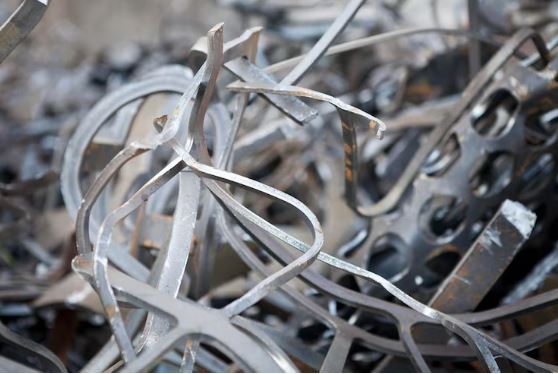
You drop off a pile of old copper pipes or a rusted steel frame at the recycling yard. Someone weighs it, hands you cash, and that’s it. But where does it all go from there?
Most people never think about what comes next. The metal disappears into a truck, and life moves on. But that scrap doesn’t vanish. It starts a journey that touches industries across the globe.
The First Stop: Sorting and Processing
Your scrap metal arrives at a processing facility. Workers and machines separate everything by type. Ferrous metals like steel and iron go into one pile. Non-ferrous metals like aluminium, copper, and brass go into other products.
Why does this matter? Each metal has different melting points and uses. Mix them up and you ruin the entire batch. Sorting isn’t just good practice. It’s the difference between segregating valuable material and worthless junk.
Sometimes the sorting happens by hand. Other times, magnets pull ferrous metals from the mix while sensors identify non-ferrous types. The goal stays the same: pure, clean streams of metal ready for the next phase.
Shredding and Cutting
Large pieces get broken down. Industrial shredders tear through car bodies and appliances. Cutting tools slice beams and pipes into manageable chunks.
Smaller pieces melt faster. They also pack more efficiently for transport. A shipping container holds far more shredded metal than it does whole frames or panels.
This step produces noise, dust, and heat. Facilities manage these byproducts carefully. Air filters capture particles. Water systems cool equipment. Safety gear protects workers from flying debris.
Melting Down the Metal
The shredded scrap moves to a furnace. Temperatures soar past 1,500 degrees Celsius for steel. Aluminium melts at a lower point but still requires serious heat.
Energy consumption here is massive. But here’s the catch: melting recycled metal uses far less energy than mining and refining new ore. Steel recycling cuts energy use by about 60%. Aluminium saves even more, up to 95%.
Impurities rise to the surface as the metal liquefies. Workers skim off slag and contaminants. What remains is molten metal, pure enough to use again.
Casting Into New Forms
Molten metal is poured into molds. These create ingots, billets, or sheets, depending on what buyers need. The shapes cool and solidify over hours or days.
Some facilities are cast directly into the final products. Others produce raw stock that manufacturers will shape later. Either way, the recycled material now looks nothing like the rusted pipe or bent frame you dropped off.
Quality checks happen at this stage. Labs test samples for strength, composition, and consistency. Buyers don’t accept substandard material. One bad batch can cost a facility its reputation.
Where Does It Go Next?
Your recycled metal could end up almost anywhere. Construction companies buy steel beams for new buildings. Automotive plants use aluminium for engine blocks and body panels. Electronics manufacturers need copper for wiring.
The export market plays a big role too. Australia ships processed scrap to countries with high manufacturing demand. Those nations turn it into products that might eventually circle back to Australian stores.
Some metal stays local. Manufacturing plants across Melbourne and Tasmania source recycled material for production runs. Your old fence might become part of a new railway line or a bridge expansion.
The Environmental Side
Recycling metal keeps it out of landfills. A single tonne of steel scrapped and reused prevents roughly 1.5 tonnes of iron ore from being mined. It also avoids the emissions from smelting new metal.
Water use drops, too. Mining operations consume enormous amounts of water. Recycling facilities use far less, especially during the melting and cooling phases.
Air quality improves when recycling replaces mining. Fewer trucks haul ore from remote sites. Fewer refineries pump out smoke. The reduction might seem small per tonne, but it adds up across millions of tonnes processed yearly.
What About Contamination?
Not all scrap is clean. Paint, grease, plastic attachments, and other contaminants cling to metal surfaces. Processing facilities deal with this constantly.
Some contamination burns off during melting. Other types require chemical treatments or manual removal before melting begins. The dirtier the scrap, the more time and money it costs to process.
This is why preparation matters. Removing non-metal parts before dropping off scrap speeds up processing. It also increases the value you receive. Clean metal fetches better prices because it saves the facility work.
The Loop Closes
The recycled metal reaches a manufacturer. They shape it, weld it, coat it, and assemble it into something new. That product eventually wears out or gets replaced.
When it does, it comes back to the scrap yard. The cycle repeats. Metal is one of the few materials that can be recycled endlessly without losing quality. Steel recycled ten times works just as well as freshly mined steel.
This loop keeps resources in circulation. It reduces demand for mining. It cuts energy use across industries. And it creates jobs in collection, processing, and manufacturing.
Why This Matters for Building Sites
Commercial operations generate huge amounts of scrap. Demolition projects pull out steel frames, copper wiring, and aluminium fixtures. Construction sites trim excess material daily.
Leaving this metal in skips bound for landfills wastes money and resources. Recycling turns waste into revenue. It also keeps projects compliant with environmental regulations that increasingly demand responsible disposal.
Large sites can arrange collection services. Trucks pick up accumulated scrap and transport it directly to processing facilities. Smaller operations might need to deliver material themselves, but the effort pays off in reduced waste fees and cash returns.
The Takeaway
Scrap metal doesn’t disappear. It transforms. Your old pipes, wires, and frames become raw material for new products. The process saves energy, reduces mining, and keeps landfills from overflowing.
Every tonne recycled makes a difference. Industries depend on this steady supply of reusable metal. Without it, manufacturing costs would soar and environmental damage would accelerate.
Next time you recycle metal, picture the furnace, the mould, the finished product taking shape. That’s where it’s headed. That’s what happens after you hand it over.
