
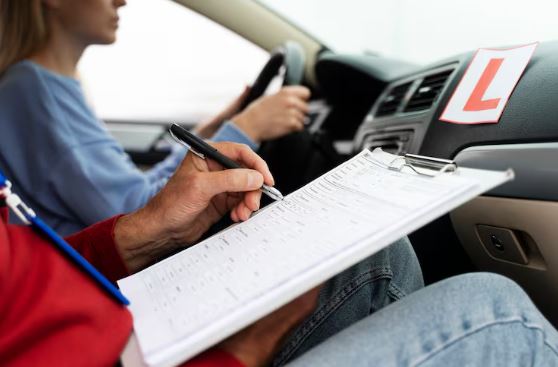
Starting to learn to drive feels like you have grown into an adult. Maybe a bit scary too. You’ve booked your first lesson, and now the questions start flooding in. What if you stall the car? What if the instructor thinks you’re hopeless? What if everyone else on the road seems to know exactly what they’re doing while you’re just trying to remember which pedal does what? Take a breath. Everyone who drives now was once exactly where you are.
The Night Before Your First Lesson
Sleep might not come easily. That’s normal. Your mind will probably race through various scenarios. Most of them won’t happen. The ones that do happen won’t matter nearly as much as you think they will right now. Pack a bottle of water. Wear comfortable shoes. Avoid anything too tight or restrictive. You want to feel the pedals properly, and stiff jeans or fancy shoes will just get in the way.
Driving schools in Glasgow see nervous learners every single day. Your instructor has taught people who were more nervous than you. They’ve taught people who took twenty lessons to get comfortable with the basics. They’ve taught people who cried, froze up, or forgot their own name when they got behind the wheel.
You won’t be the first. You won’t be the last.
What Actually Happens in That First Hour
The instructor will meet you somewhere quiet. Not in the city centre. Not on a busy road.
Usually, it’s a residential street or an empty car park. Somewhere, you can get used to the car without feeling like the whole world is watching.
First things first. You’ll adjust the seat and mirrors. This matters more than you think. If you can’t reach the pedals comfortably or can’t see properly, everything else gets harder.
The instructor will explain the dual controls. That means they have a brake pedal too. If something goes wrong, they can stop the car. You’re not on your own here.
Then comes the explanation of the pedals and gears. If you’re learning in an automatic car (which many learners in driving schools in Glasgow choose these days), you’ll have two pedals instead of three. One less thing to worry about.
You’ll start the engine. You’ll probably feel your heart jump a bit when it rumbles to life.
Then you’ll try moving. Just a few meters at first. Stop. Start again. Get used to how the car responds.
The Mistakes You’ll Probably Make
Stalling happens. If you’re in a manual car, you’ll stall it. Maybe once. Maybe ten times.
The instructor won’t care. They’re expecting it.
You might press the brake too hard and jerk everyone forward. You might turn the wheel too much or not enough. You might forget to check your mirrors because you’re so focused on not hitting anything.
All of this is fine.
What’s not fine is being too hard on yourself. That voice in your head telling you you’re rubbish at this? It’s lying. You’re just learning something new, and new things always feel clumsy at first.
Some learners worry they’re going too slow with their progress. They see other students breezing through lessons and assume they’re falling behind. But here’s what they don’t tell you at the start. Everyone learns at their own pace. Some people need more time to build confidence. Some people need more practice with specific skills like roundabouts or reversing.
Speed doesn’t matter. Getting it right matters.
What Your Instructor Is Actually Thinking
They’re not judging you.
They’re watching how you respond to instructions. They’re figuring out what teaching style works best for you. They’re planning the next lesson based on what you struggled with and what you picked up quickly.
Good instructors teach hundreds of people. They’ve seen it all. They know that the person who’s terrified in lesson one might be cruising confidently by lesson ten.
They also know that overconfident learners sometimes take longer because they don’t listen properly.
Your job isn’t to impress them. Your job is to learn.
The First Lesson Won’t Make You a Driver
You’ll leave that first lesson feeling… something.
Maybe relieved that it’s over. Maybe frustration that you didn’t do better. Maybe excitement because you actually moved a car and didn’t crash it.
Whatever you feel, remember this. Nobody learns to drive in one hour.
The people you see driving smoothly around Glasgow right now? They all had a first lesson where they felt exactly like you do. They all had moments where they weren’t sure they’d ever get the hang of it.
But they kept going. Lesson after lesson. Mistake after mistake. Until one day it just clicked.
Building Your Confidence Week by Week
Between lessons, you’ll probably overthink things.
Did I do that right? Should I have checked my mirror there? Why did I forget to indicate?
This is part of the process. Your brain is trying to piece together a new skill. It takes time.
Some learners find it helpful to watch videos about driving between lessons. Others prefer to just show up and let the instructor guide them. There’s no right way to do this.
What helps most people is consistency. Book your lessons regularly. Don’t leave huge gaps between them. Your muscle memory needs repetition.
The Truth About Learning to Drive in Glasgow
The roads here can feel busy. The weather changes constantly. Rain makes everything harder. But here’s the thing. If you can drive in Glasgow, you can drive anywhere. The challenge of learning here actually works in your favour later. You’ll get used to busy junctions. You’ll learn to handle wet roads. You’ll figure out how to merge into traffic that doesn’t always want to let you in. All of that makes you a better driver.
What Comes After Lesson One
You’ll book lesson two. Then three. Then more. Some days will feel like big progress. Some days will feel like you’ve forgotten everything you learned last week.
That’s how learning works. It’s not a straight line up. It’s messy and frustrating, and sometimes you’ll want to quit. Don’t quit.
The version of you that passes the driving test and drives independently exists. You just have to keep showing up until you meet that version.
Your first lesson is just the start. It won’t be perfect. It doesn’t need to be. Just show up. Listen. Try. That’s enough.
